Pink Eye at Daycare: Sticky Mornings, Fussy Bedtimes
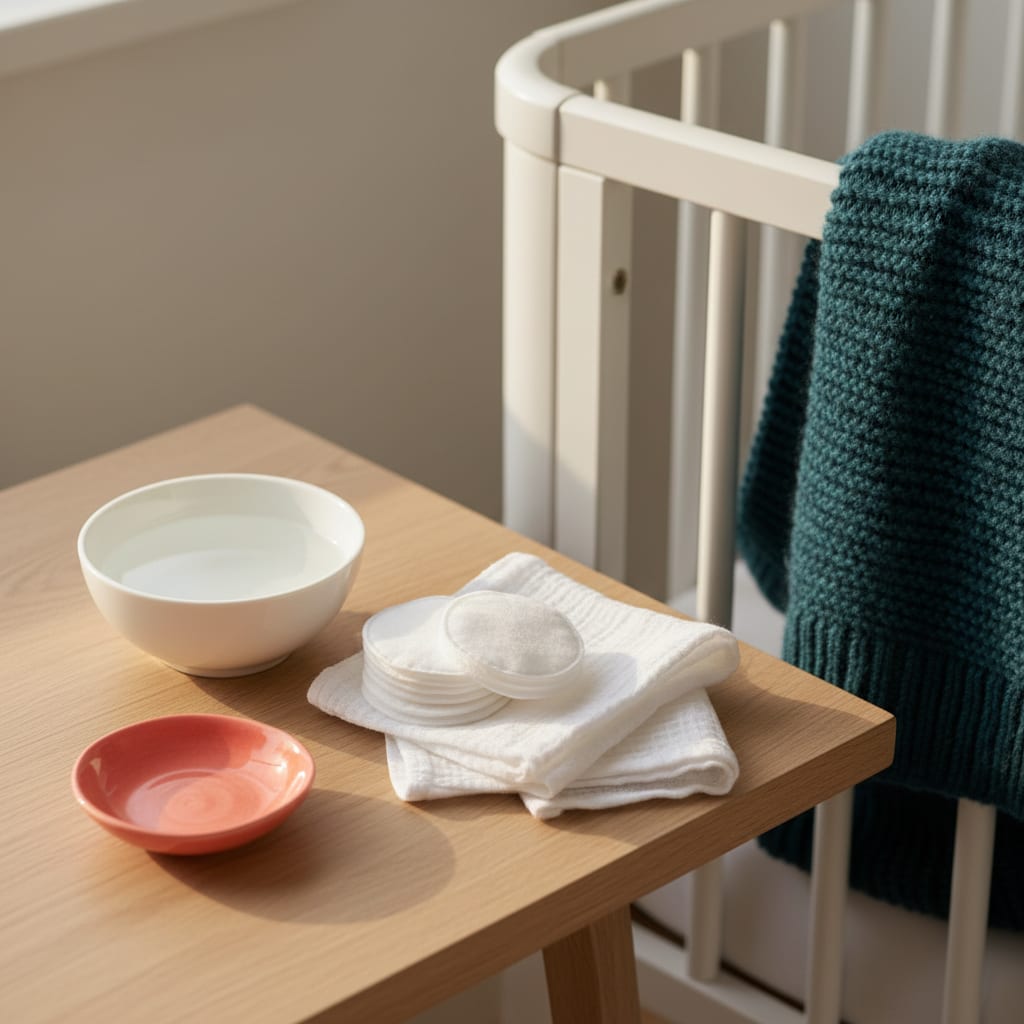
Whether your baby can go back to daycare with pink eye depends on your centre’s written illness policy, and those policies really do differ. Some exclude a baby with pus or crust until they’ve had a day on prescribed drops. Others treat pink eye like a cold. So ask your centre first. Then call the pediatrician, and call the same day if your baby is a newborn: red, sticky eyes in the first month need a doctor to look at them. Expect a few crusty mornings and a fussier bedtime while it clears.
First question: how old is your baby?
Under a month old: call the doctor today. The CDC’s pink eye overview says newborns with pink eye symptoms should see a doctor right away, because an infection at that age can be serious. The AAP’s page on eye infections explains that a newborn can pick up bacteria during birth, and those infections “must be treated early to prevent serious complications.” The NHS gives the same cut-off: a baby under 30 days old with red, sticky eyes needs an urgent appointment. Don’t wait it out, and don’t wait for daycare to raise it.
Older babies: the AAP’s advice is that a child with a red eye should see the pediatrician as soon as possible. The doctor can tell whether it is likely bacterial, viral, allergic or something else. That matters because, as the AAP puts it, “Conjunctivitis caused by viruses should not be treated with antibiotics.”
Call sooner, at any age, for any of the signs the American Academy of Ophthalmology says need an eye doctor right away: moderate to severe eye pain, blurred vision, more sensitivity to light, intense redness, or symptoms that are getting worse instead of better.
One thing that is not pink eye: an eye that waters all the time while the white stays white. That is often a blocked tear duct, and your pediatrician can sort the two out at the same visit.
The daycare call: why the rules differ
This is the part that confused the club most. Three respected sources say three different things:
- Illinois’ minimum licensing standards (summarised in the state’s early learning tip sheet) exclude a child with “purulent conjunctivitis (pinkeye—the white of the eye is pink or red, with white or yellow discharge or crust).” The child can return “after 24 hours of treatment”. The same sheet adds: “Your center’s standards may be more stringent.”
- The American Academy of Ophthalmology says that with bacterial or viral pink eye you should stay home until your eyes “are no longer red with discharge.”
- The NHS says you do not need to stay away from school “unless you or your child are feeling very unwell.”
The AAP’s guide for pinkeye in child care treats it a lot like the common cold. Most children “get better after 5 or 6 days without antibiotics,” antibiotics shorten the illness “a very small amount,” and the best way to stop it spreading is “good hand hygiene.”
So whatever your centre says, it isn’t being arbitrary, and it isn’t the only possible rule. It is still the rule your baby lives under. Ask for the policy in writing before pink eye arrives:
- Does pink eye mean your baby stays home, and is watery pink eye treated differently from pus or crust?
- Is there a “24 hours on drops” rule, or do they want a doctor’s note?
- If your baby comes home mid-day, how fast do you need to collect them?
Those belong on the daycare tour question list if you haven’t enrolled yet.
Sticky mornings: cleaning the crust
The CDC’s symptoms page lists crusted eyelids or lashes, especially in the morning, among the common signs. Bacterial pink eye in particular can leave a baby’s eyes stuck shut at wake-up. The NHS method for cleaning it is simple:
- Boil water and let it cool down completely.
- Use a clean cotton pad, one for each eye, and gently wipe the lashes to lift the crust. A soft, plain pad like Swisspers cotton rounds does the job. Throw each pad away after one use.
- Wash your hands before and after. The AAP says to wash carefully before and after touching the area around an infected eye.
If your pediatrician prescribes drops or ointment, use them exactly as directed. The AAP warns against ever using previously opened eye medicine or someone else’s, because it “could cause serious damage.”
The fussy bedtime
Pink eye week usually brings a harder bedtime. Itchy, gritty eyes are worse when a baby is tired, and viral pink eye often arrives with a cold, so you may be dealing with a blocked nose as well. In the club, the nights were usually worse than the days, and they settled once the eyes did.
What helped:
- Clean the eyes just before the bedtime routine, not at the end of it. That way the wiping is over before the calm part starts.
- Keep the routine short and familiar: the same room, the same order, the same white noise. Extra cuddles and an extra feed are fine for a few nights.
- Fresh bedding and separate cloths. The NHS suggests washing pillowcases and face cloths in hot water and detergent and not sharing towels. For a baby, that means the crib sheet and anything their face rests on, plus a clean washcloth for each wipe.
- Safe sleep doesn’t change. Back to sleep, on a flat, firm, bare surface. Don’t prop your baby up or add anything to the crib, however rough the night.
Betteroo has a guide to how a week of sick nights shifts baby sleep. It covers the same advice: give extra comfort now, keep the bedtime anchors, and return to normal expectations once your baby is well.
The work side of pink eye week
This is where it becomes a club problem rather than an eye problem. A daycare exclusion means someone is home tomorrow, maybe for two days. The parents who coped best had already decided who takes day one and who takes day two, and had a third name to call. If you haven’t built that list yet, our backup childcare plan takes one evening. And if this is your baby’s first autumn at daycare, it probably won’t be the last bug. The daycare-start sleep crash post explains why those first months are such a run of illnesses.
Heard in the club: “Pink eye cost us two days of daycare and one very sticky morning. The eyes were fine by Friday. My calendar was not.”

FAQ
Can my baby go to daycare with pink eye? It depends on your centre’s policy. Some exclude babies with pus or crust until they’ve had 24 hours of treatment. Others don’t exclude at all unless the child is unwell. Ask your centre, and check with your pediatrician.
How long is pink eye contagious? The AAP says bacterial pink eye stops being contagious once treatment starts or the symptoms clear. Viral pink eye stays contagious while the symptoms last, and one virus that causes it can be contagious for weeks.
Is a sticky eye in a newborn an emergency? Call the same day. The CDC says newborns with pink eye symptoms should see a doctor right away, and the NHS says a baby under 30 days old with red, sticky eyes needs an urgent appointment.
Does pink eye always need antibiotic drops? No. Antibiotics help only bacterial pink eye, and the AAP says most children get better in 5 or 6 days without them. Your pediatrician decides whether your baby needs drops.
Why is my baby fussier at bedtime with pink eye? Itchy, crusty eyes and the cold that often comes with pink eye make settling harder when your baby is tired. Clean the eyes before the routine, keep it short and familiar, and offer extra comfort for a few nights.