Sleep After Vaccinations: What's Normal for 48 Hours
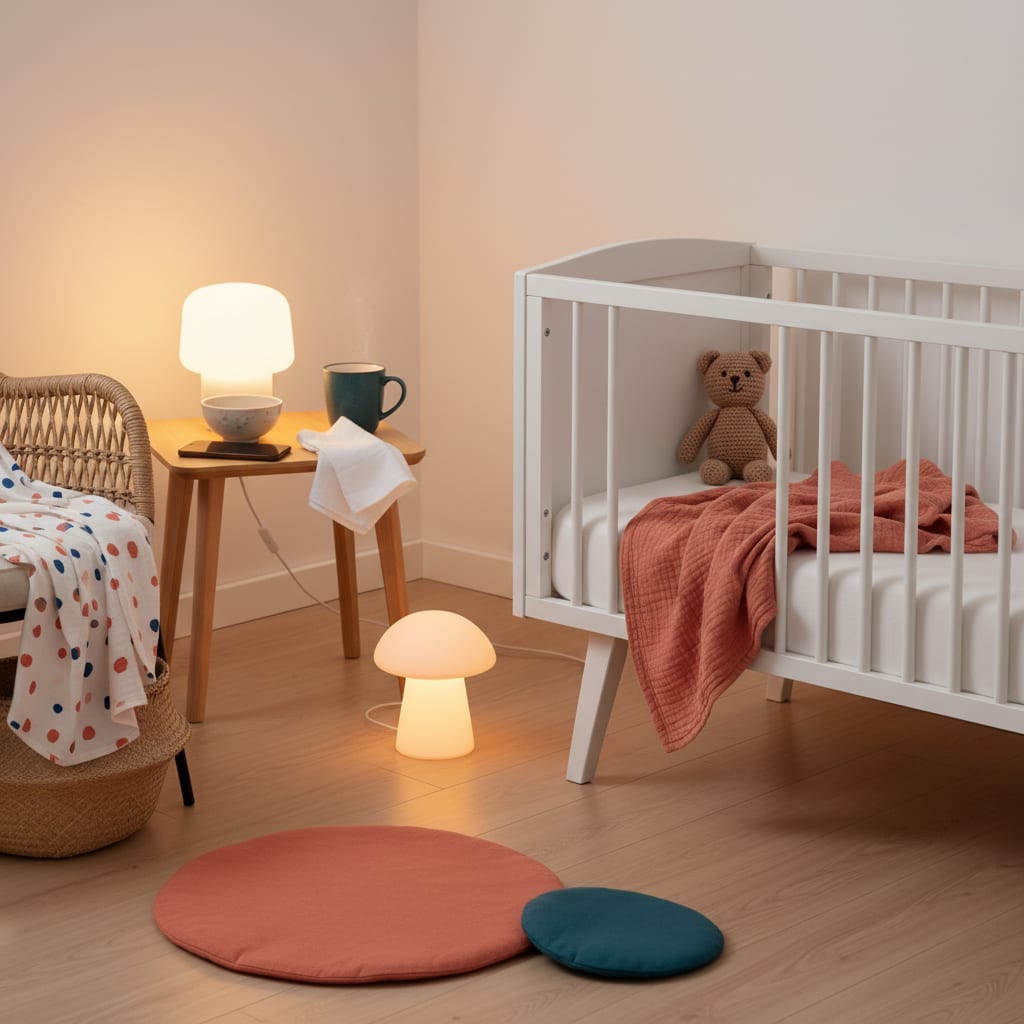
Most of the club describes the same two days after a routine immunization appointment: one unusually sleepy stretch, one unusually unsettled one, and normal service resuming within about forty-eight hours. Which order you get them in is a lottery. Extra sleepiness, extra fussiness, a sore leg, less interest in feeding and a broken night are all commonly reported and all typically short-lived. The useful move isn’t predicting which version you’ll get — it’s arranging the two days so that either version is survivable. That’s the logistics half nobody plans, and it’s what this post is about.
Anything about fevers, medication, or a baby who seems genuinely unwell is a question for your pediatrician, not a blog. That line stays firm throughout.
What the 48 hours commonly looks like
Two broad patterns turn up again and again in the group chat, and neither means anything has gone wrong:
- The big sleep. A long afternoon nap, an early bedtime, a baby who’s hard to rouse for a feed. Parents find this one alarming precisely because it’s pleasant.
- The unsettled version. Short naps, a rough evening, more night waking than usual, and a baby who objects to being put down on the injected side.
- A sore leg or arm, which shows up mostly as protest when you change a diaper or move them into a car seat.
- Less appetite for a day, then a catch-up.
- A return to baseline within about two days, which is the part most club moms forget to expect while they’re in the middle of it.
Babies also just have off nights for unrelated reasons, so a rough Tuesday two days after shots may have nothing to do with the shots at all.
Book the appointment for the right time of day
The club’s most repeated logistics lesson. A morning slot gives you the whole day to watch how your baby responds while your pediatrician’s office is still open and answering phones. An appointment at 4:45pm hands you the unsettled evening and an after-hours line.
Second preference: early afternoon, after the first nap, before the pre-bedtime fragility window. Avoid booking one immediately before an evening you can’t move, and if your practice offers it, take a day when a parent can be home afterwards rather than handing an unpredictable baby straight to childcare.
If your baby is on a settled rhythm, book around it rather than through it — the same principle as planning any outing around a six-month-old’s usual wake windows, scaled to whatever age your appointment falls at.
Clear the two days around it
Treat shots day as a low-capacity day and the day after as a maybe. Concretely, the club’s version:
- Nothing else on the calendar that afternoon. Not a shop, not a coffee, not a visitor.
- The next morning kept loose, in case the night was bad.
- Meals sorted in advance — the fridge does not care that your baby had a rough evening.
- Childcare informed if the appointment falls on a childcare day, so the room knows what happened before your baby melts down at 2pm.
- Backup considered if the next day is a work day you can’t miss. A sore, clingy baby who can’t go to daycare is exactly the scenario a backup childcare plan exists for.
Appointment dates land at fairly predictable intervals in the first year, which means they can be planned rather than absorbed — the same calendar logic as the deadlines in the newborn paperwork checklist.
Decide who’s on duty that night
Do this before you leave the house, not at 11pm. The club’s fair-split default: whoever didn’t take the baby to the appointment takes the first half of the night, because the appointment parent has already spent the day holding a crying baby down for a stranger — which is more draining than anyone admits.
Write the handover down if you’re both foggy. It’s the same night-shift contract described in dividing baby labor with your partner, applied to a night you can see coming.
Single-parenting this one? The club’s advice is to lower everything else to zero for two days and call in one person for a two-hour block, ideally the evening of the appointment rather than the day after.
What to have ready at home
Nothing exotic. A familiar sleep space rather than a new one, loose clothing that doesn’t press on the injection site, room for extra comfort feeds, and your pediatrician’s number where you won’t have to search for it.
What not to have ready: any medicine you haven’t been told to give. Whether, when and how much is a question for your pediatrician’s office, and the answer depends on your baby’s age and weight. Ask at the appointment, so you have it before you need it.
Don’t start anything new this week
The single highest-value thing on this list. Shots week is a bad week to begin sleep training, drop a nap, start daycare, move a baby to their own room, travel, or introduce a new bedtime routine. Any of those will muddy what you’re seeing, and you’ll spend a fortnight trying to work out which change caused what.
Comfort measures that feel like backsliding — an extra feed, more contact, an earlier bedtime — are fine for two days and don’t create permanent habits. If your baby genuinely seems under the weather rather than just sore, Betteroo’s guide to how sleep shifts when a baby feels rough is the sensible frame: ride it out, keep the space familiar, restart normal expectations once they’re back to themselves.
When to stop planning and call
The club’s line here is deliberately conservative, and none of what follows is a substitute for your pediatrician’s own guidance:
- Any fever in a baby under three months — an immediate call, always.
- A fever at any age that worries you, or one your provider has told you to report.
- Persistent inconsolable crying, unusual limpness, breathing that looks different, a rash, repeated vomiting, or a baby too sleepy to feed.
- Symptoms that are still going after roughly two days, or that get worse rather than better.
- Anything at all where your gut says something is off. Nobody in the club has ever regretted the call.
Ask your pediatrician at the appointment what they want to hear about and when, and write the answer in your phone. That thirty-second conversation is worth more than every list on the internet, including this one.

Heard in the club: “She slept six hours straight after her four-month shots and I spent every one of them checking she was breathing.”
Once you’re through it, the ordinary logistics resume — including the getting-out-the-door routine in first outings with baby, which will feel much easier than the waiting room did.
FAQ: sleep after vaccinations
Is it normal for a baby to sleep a lot after vaccinations?
Extra sleepiness for a day or so is commonly reported and is one of the two usual patterns the club sees. It’s typically short-lived. A baby who is too sleepy to feed, unusually hard to rouse, or floppy is a different situation and warrants a call to your pediatrician straight away.
Is it normal for a baby not to sleep after vaccinations?
Also common — a fussy evening, short naps and more night waking than usual turn up just as often as the big sleep. Most club families describe things settling within about two days. Comfort measures during that window don’t undo a routine.
How long does disrupted sleep last after shots?
The club’s usual answer is roughly forty-eight hours, with the first night most often the hardest. Anything still noticeably off after that, or getting worse rather than better, is worth raising with your provider rather than waiting out.
Can I sleep train right after vaccinations?
The club’s advice is to wait. A sore, unsettled baby can’t give you a clean read on anything, and starting during shots week is how families end up unable to tell whether a plan is failing or a leg is hurting. Wait until your baby is fully back to baseline.
Should I give medicine before the appointment to help my baby sleep?
That’s a question for your pediatrician, not something to decide from a blog. Ask at or before the appointment what they recommend for your baby’s age and weight, so you already have the answer if you need it that evening.