What Second-Time Moms Would Tell First-Time You
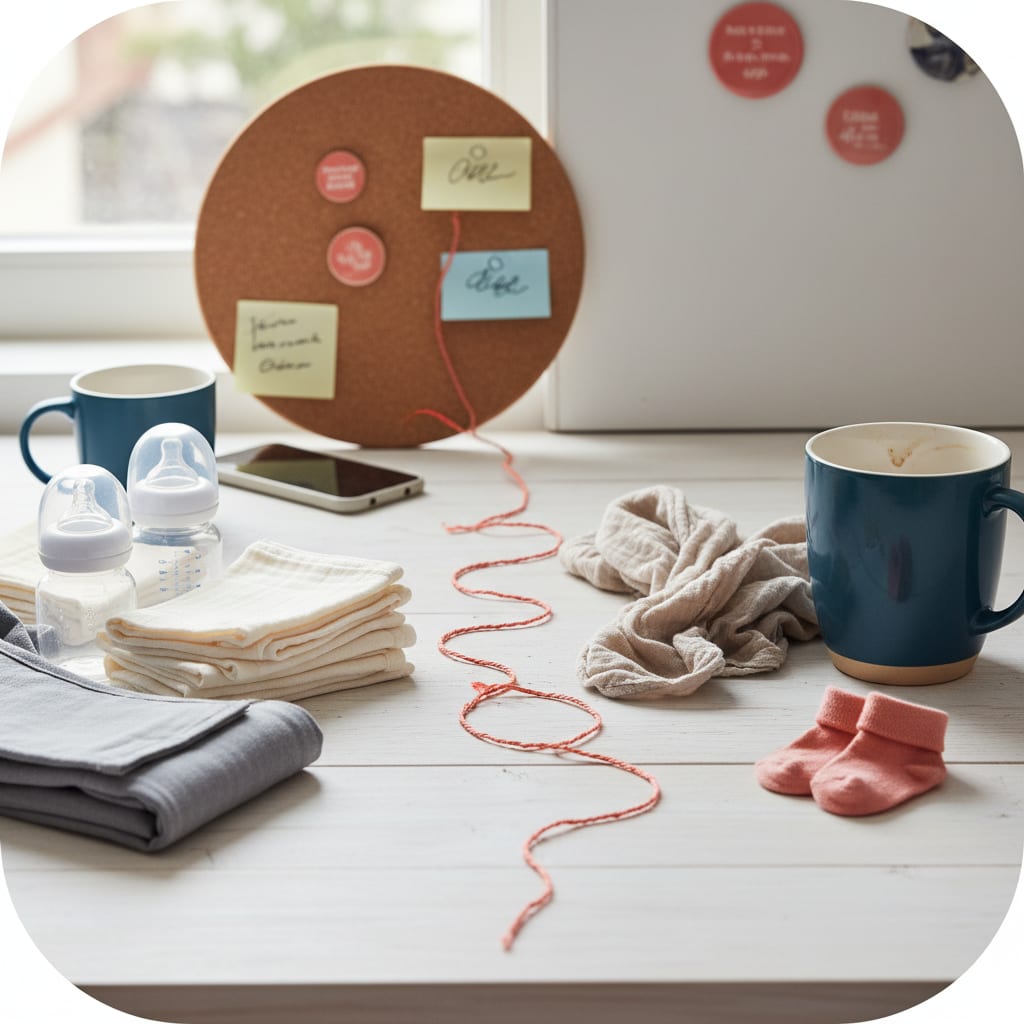
Ask a second-time mom what she’d tell first-time you and you get the same short list every time: it’s genuinely a phase and phases end, you need far less than you were sold, ask for help months earlier than feels reasonable, and stop grading yourself against other people’s babies. The club’s veterans aren’t calmer because their second baby is easier — several will tell you theirs was harder. They’re calmer because they’ve seen the far side of every stage that’s currently frightening you. Here’s what they’d hand back to you.
”It’s a phase” stops being a platitude and becomes a timeline
The first time, “it’s a phase” sounds like someone dismissing you. The second time it reads as an estimate: this ends, roughly here.
That’s the actual difference between first and second, and it’s not a personality trait. A mom who has watched a rough patch begin, peak and dissolve stops treating week two of a hard stretch as a permanent new reality. She waits it out, does less about it, and gets a similar result with far less panic.
You can’t manufacture that feeling on baby one. You can borrow it — that’s what the club’s collected first-time tips are for.
You need less stuff, and you need it later
Almost universally: second-time moms set up a fraction of what they set up the first time, and they wait to see what the baby actually wants before buying anything. The bouncer nobody used. The three carriers when one would have done. The nursery finished by month seven of pregnancy for a baby who slept in your room until eight months old.
The rule they’d give you: get the safety-critical things and the things that solve a problem you currently have. Everything else can arrive in two days when you discover you need it.
Ask for help months before you’re desperate
This is the one they say with the most feeling. First time around, most of us waited until we were sobbing to accept an offer. Second time, we accepted before the offer was even specific.
What changes practically: you keep a short list of jobs ready, so “let me know if you need anything” gets a real answer instead of a polite no. You let someone hold the baby while you shower rather than saving them for a real emergency. You say yes to the meal, the laundry, the hour. The club’s full acceptance roundup is what moms wish they’d said yes to, and second-time moms endorse every line of it.
The comparison stops being interesting
Second-time moms describe losing interest in other people’s milestones almost completely. Not through enlightenment — through evidence. They’ve now watched two babies do the same things in a different order at different times and turn out equally fine, which is a more persuasive argument than any reassurance anyone offered the first time.
The practical version: they mute what makes them feel behind, ask their pediatrician the actual question instead of the internet, and stop treating an app’s average as a target. Several of the beliefs they dropped are catalogued in the myths the club stopped believing.
What they’d do differently about sleep
Two things come up. First: they stop reading five sources at once, because contradictory advice at 2am is worse than no advice. Second: they decide much earlier whether they’re going to actively work on sleep or ride it out — and then stop relitigating the decision nightly.
If you’re weighing that, Betteroo’s guide on when it’s even worth starting a sleep plan covers the timing question honestly, including the case for doing nothing yet. Plenty of the club did nothing and came out the other side anyway.
What they’d keep exactly the same
It isn’t all regret. Asked what they’d repeat, second-time moms name the parts that weren’t productive at all: the long contact naps they felt guilty about, the photos of ordinary Tuesdays rather than milestones, the walk they took every afternoon whether or not it accomplished anything.
Nobody has ever said, in the group chat, that they wished they’d held their newborn less.
The one thing they’d tell you about the hard days
That the hardest part is usually not the thing you’re bracing for. The club’s roundup on the hardest part of the newborn stage says the same: it’s rarely the sleep deprivation in isolation — it’s the relentlessness, the loss of an unaccounted hour, the feeling of being needed without pause.
Second-time moms handle that by building in one non-negotiable break per week and defending it like a meeting. If the feeling goes past tired into flat, hopeless or frightening, that’s a conversation with your OB or provider, not a thing to out-tough. Postpartum Support International (1-800-944-4773) and the 988 line exist for exactly that, and the club has never once thought less of anyone who used them.

Heard in the club: “With my first I read four books. With my second I read the baby. Same outcome, half the crying — mine, not hers.”
FAQ: second-time mom advice
Is the second baby easier than the first?
The babies aren’t reliably easier — the club has plenty of second babies who were considerably harder. What’s easier is you: knowing that stages end, having a routine to slot a newborn into, and no longer treating every unfamiliar thing as an emergency. That’s the part you can partly borrow in advance.
What do second-time moms say they’d skip?
Most of the gear bought before the baby arrived, the pressure to have the nursery finished, reading multiple conflicting sources at once, and hosting visitors before they felt ready. Almost nobody names a person or an experience — the skip list is nearly all objects and obligations.
What do second-time moms wish they’d done sooner?
Accepted help without qualifying it, said no to visitors without apologising, called their provider about how they were feeling instead of waiting for the six-week appointment, and gone outside every day even when it took an hour to get out the door.
Does the advice change if my second baby is nothing like my first?
Only the specifics. The club’s veterans say the transferable part was never the techniques — it was the pacing, the lower bar, and knowing which things genuinely need a phone call. Two babies in the same family routinely need opposite things, and that’s normal rather than a sign you’ve forgotten how.